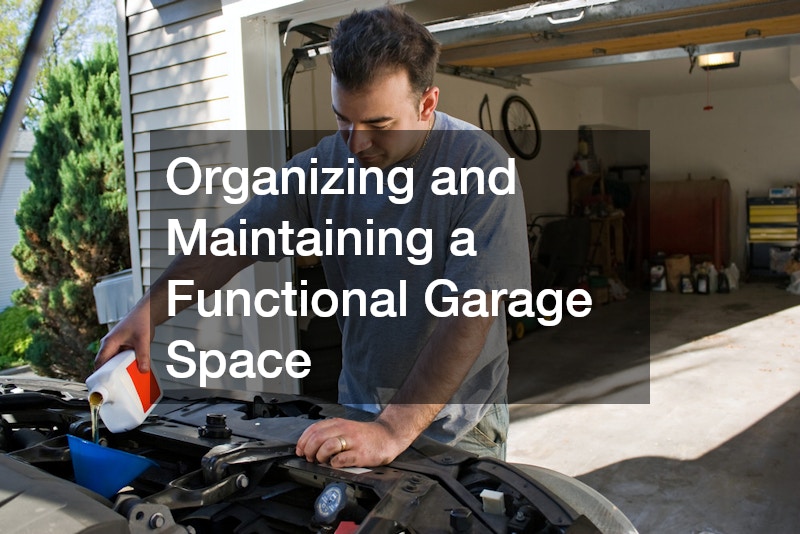
For many homeowners, the garage becomes a catch-all zone. It starts with good intentions: a place to park the car, store tools, and maybe set up a small workbench. Over time, though, seasonal decorations pile up, old paint cans stack in corners, and half-finished projects quietly take over valuable space.
The result isn’t just clutter. A disorganized garage can quietly raise your utility bills, shorten the lifespan of home systems, and even create health or safety risks. Poor ventilation, hidden moisture, neglected equipment, and blocked airflow all add up.
When organized thoughtfully, however, your garage can become one of the most efficient and cost-effective areas of your home. It can protect your equipment, reduce strain on major systems, and make routine maintenance easier instead of overwhelming.
Let’s walk through how to reset, organize, and maintain your garage in a way that saves money and supports the rest of your home.
Start With a Full Garage Reset

Before buying bins or installing shelving, everything needs to come out. A full reset may feel extreme, but it’s the only way to see what you’re really working with.
Pull everything into the driveway. Yes, everything. Seeing it all at once often sparks a moment of realization: ”Why do we still have this?”
As you sort, divide items into four categories:
- Keep
- Donate or sell
- Dispose
- Relocate elsewhere in the home
While the garage is empty, take the opportunity to inspect surfaces carefully. Look for peeling drywall, stains, bubbling finishes, or flaking areas that may need house painting to prevent further deterioration. A fresh, moisture-resistant coating can protect walls from humidity swings and minor leaks.
Also, pay attention to musty odors or dark patches along baseboards and corners. These can signal trapped moisture behind walls. If staining persists or spreads, it may be time to consult a mold remediation service before rebuilding your storage system around a hidden problem.
Once inspections are complete, deep-clean the space. Sweep thoroughly, vacuum corners, wipe down surfaces, and remove cobwebs. Starting with a truly clean slate makes every other step more effective.
Design Smart Storage Zones That Match Your Lifestyle
A functional garage doesn’t just hold things—it reflects how you live.
Instead of random shelving, think in zones. Consider what you reach for most often. Gardening tools? Sports gear? Car maintenance supplies? Holiday decorations?
Walk through your daily and seasonal routines and map out areas accordingly. For example:
- Near the door to the house: shoes, reusable bags, quick-grab tools.
- Near the garage door: automotive supplies.
- Along a side wall: lawn and garden tools.
- Ceiling racks: rarely used seasonal items.
Vertical storage changes everything. Wall-mounted racks, pegboards, and ceiling systems dramatically expand usable square footage without crowding the floor. Transparent bins make it easier to find what you need without unpacking three containers.
If you have mechanical systems installed in the garage, such as equipment for water filtrations, create a designated clearance zone around them. Never stack boxes or bins directly against these systems. Easy access improves maintenance and reduces the risk of accidental damage.
Thoughtful storage is about flow. When every item has a logical home, clutter stops creeping back in.
Keep Your Garage Door Operating Smoothly Year-Round

The garage door is the largest moving component in most homes. Yet it’s often ignored until something goes wrong.
Instead of waiting for a loud snap or a door that refuses to close, build simple checks into your seasonal routine.
Every six months:
- Test the balance. Disconnect the opener and lift the door manually halfway. If it doesn’t stay in place, the springs may be wearing unevenly.
- Inspect weatherstripping along the bottom and sides. Cracks allow drafts, pests, and moisture inside.
- Lubricate rollers, hinges, and tracks with a silicone-based lubricant.
- Clean tracks of dirt buildup.
If the door shakes, grinds loudly, or closes unevenly, it’s better to schedule local garage door repairs early rather than wait for a full breakdown.
Garage doors also play a role in energy efficiency. Gaps and failing insulation can allow outdoor temperatures to seep into adjacent living areas, forcing your heating and cooling systems to work harder. Proper sealing supports lower monthly utility bills more than most homeowners realize.
Beyond these checks, pay attention to sound changes. A door that suddenly becomes louder is often signaling friction or hardware fatigue. Tighten loose bolts along the tracks and inspect cables for fraying. Never attempt to adjust high-tension springs yourself—this is where professional service is safest.
You can also improve efficiency by upgrading to an insulated door if yours is older and hollow-core. Modern insulated models help stabilize garage temperatures, which reduces heat transfer into adjoining rooms. Over time, that added insulation can make a noticeable difference in comfort and seasonal energy costs.
Improve Airflow and Climate Control
Some garages feel like ovens in summer and freezers in winter. That temperature swing doesn’t just affect comfort—it affects your energy use and stored items.
If your garage shares ductwork with the main house, inspect airflow carefully. When an air conditioner struggles to cool adjacent rooms, the issue may originate in poorly insulated garage walls or air leaks around the door.
Start by sealing obvious gaps and cracks. Install proper insulation in walls and ceilings if they’re unfinished. Consider adding ventilation fans to improve circulation.
In some cases, older systems struggle to regulate temperature effectively. If cooling remains uneven and your system cycles constantly, it may be worth evaluating HVAC replacement options for improved efficiency.
Balanced airflow prevents moisture buildup, reduces stress on cooling systems, and makes the garage usable year-round—especially if you use it as a workspace.
Prevent Moisture and Structural Damage

Moisture is one of the most expensive problems a garage can develop. It quietly damages walls, tools, stored items, and even structural framing.
Begin with observation. Do you see condensation forming on pipes or metal surfaces? Is there discoloration on concrete floors? Does the space smell damp after heavy rain?
Address small issues immediately:
- Seal foundation cracks.
- Add weatherproofing around entry points.
- Elevate boxes off the floor using shelving.
- Install a dehumidifier in humid climates.
If moisture problems persist, consult a mold remediation service before insulation or drywall repairs. Ignoring it can compromise indoor air quality and create costly repairs later.
If you house water filtration systems in the garage, ensure pipes are insulated to prevent freezing and condensation buildup. Keeping these systems dry and accessible extends their lifespan and avoids service disruptions.
Prevention is always cheaper than repair.
Keep Pests Out With Proactive Prevention
Garages are inviting to pests. They offer shelter, cardboard nesting material, and sometimes food sources.
Instead of reacting to a full infestation, adopt preventive habits.
First, seal entry points. Even small cracks around doors or siding can allow rodents inside. Replace damaged weatherstripping promptly.
Second, eliminate attractants. Avoid storing pet food in thin bags. Transfer bird seed and bulk items into airtight containers. Keep trash sealed.
Cluttered corners create hiding spots. Organized storage not only improves functionality but also reduces nesting opportunities.
If you’ve noticed droppings, scratching sounds, or chewed materials, contact an exterminator before the issue escalates. Early intervention protects wiring, insulation, and stored belongings.
Pest damage can silently increase repair costs and even affect insulation performance, which in turn impacts energy use. A clean, sealed garage protects both comfort and your budget.
Upgrade Lighting for Safety and Productivity

Lighting often goes overlooked in garage design. A single dim bulb in the center rarely provides adequate coverage.
Poor lighting makes projects frustrating and even dangerous. It also discourages regular maintenance because tasks feel more difficult than they should.
Start by replacing outdated fixtures with bright, energy-efficient LEDs. These use less electricity while producing clearer light.
Add task lighting over workbenches and in corners where shadows tend to form. Motion-sensor lights near entry points improve convenience and security.
If your detached garage includes features like gas fireplace inserts for comfort in colder months, ensure nearby lighting doesn’t create heat buildup or glare. Keep fixtures positioned safely and follow manufacturer guidelines.
Balanced lighting improves usability, reduces accidents, and encourages you to maintain the space proactively instead of postponing tasks.
Maintain a Safe and Clean Workshop Area
For many homeowners, the garage doubles as a workshop. This can be incredibly satisfying—until tools pile up and safety slips.
Instead of letting projects spill into walkways, establish clear work boundaries.
Mount a sturdy workbench securely to the wall. Install pegboards or tool racks to keep frequently used tools visible and accessible.
Keep flammable liquids stored away from gas fireplace inserts or any ignition source. Store chemicals in clearly labeled containers and dispose of old products responsibly.
Natural light also plays a role in comfort and productivity. If your garage has windows, schedule occasional window cleaning services to maintain clarity and brightness. Cleaner windows reduce reliance on artificial lighting during daytime projects.
Finally, keep floors clear. Even a small extension cord stretched across the walkway can lead to a fall. A tidy workspace supports better results and safer habits.
Protect Garage Surfaces for Long-Term Durability
Garage walls and floors endure heavy use. Oil drips, moisture, and temperature swings all take their toll.
Instead of waiting for major damage, think long-term.
Concrete floors benefit from protective coatings that resist stains and cracking. Sealing the surface reduces dust and makes cleaning easier.
Walls often absorb minor impacts from bikes, ladders, or storage bins. Refreshing surfaces periodically with durable house painting products helps protect drywall and framing beneath.
Windows deserve attention too. Dirt and residue reduce natural light and can degrade seals over time. Professional window cleaning services can occasionally extend their lifespan and preserve clarity.
Maintenance may feel cosmetic, but protecting surfaces prevents deeper structural issues that can become expensive.
Schedule Routine Maintenance for Long-Term Performance
A functional garage supports larger home systems. Ignoring routine checks can increase strain on mechanical components.
Create a simple seasonal checklist:
- Inspect garage door operation and seals.
- Check insulation for gaps.
- Clean ventilation fans.
- Test lighting fixtures.
- Review stored items for expired chemicals or unused clutter.
If your cooling system seems to struggle in peak summer months, consider whether outdated equipment is contributing to higher bills. In some cases, evaluating HVAC replacement options improves overall efficiency.
Likewise, address garage door issues early by contacting local garage door repair professionals when unusual noises or alignment issues appear.
A calendar reminder every few months can prevent minor inconveniences from turning into costly emergencies.
Make Room for Multi-Use Living

More homeowners are transforming garages into flexible spaces—home gyms, hobby studios, even entertainment areas.
If you’re considering this, start with insulation and airflow. Comfort is essential. Evaluate how heating and cooling will function, especially if integrating with your main system or planning a future HVAC replacement.
Detached garages sometimes include gas fireplace inserts for added warmth. If so, ensure clearances are maintained, and ventilation remains adequate.
Flexibility also depends on storage. Use fold-away shelving or rolling cabinets so the space can transition easily between uses.
When the garage becomes an extension of living space rather than a forgotten storage unit, it gains value and purpose.
Keep Critical Systems Accessible
One of the most common organizational mistakes is boxing in mechanical systems.
Clear access saves time and reduces service costs. Leave adequate space around water filtration units for maintenance and inspection. Avoid stacking heavy bins against pipes or electrical panels.
If your garage houses components connected to your air conditioner, keep vents unobstructed and clean. Restricted airflow forces systems to work harder, raising monthly utility bills.
Label shut-off valves clearly and ensure everyone in the household knows their location. In an emergency, quick access matters.
Organizing with future maintenance in mind prevents frustration later.
A Garage That Works for You
A well-organized garage is more than tidy shelves and labeled bins. It supports energy efficiency, protects essential systems, and reduces long-term expenses.
When moisture is controlled, airflow balanced, doors sealed, and surfaces maintained, your home operates more smoothly. Utility bills stabilize. Repairs become less frequent. Projects feel manageable instead of overwhelming.
The key is consistency. Small seasonal checks, thoughtful storage design, and early attention to warning signs create lasting results.
Over time, your garage can shift from a cluttered afterthought to one of the most practical, efficient, and valuable spaces in your home—quietly supporting lower costs and a more comfortable living environment.