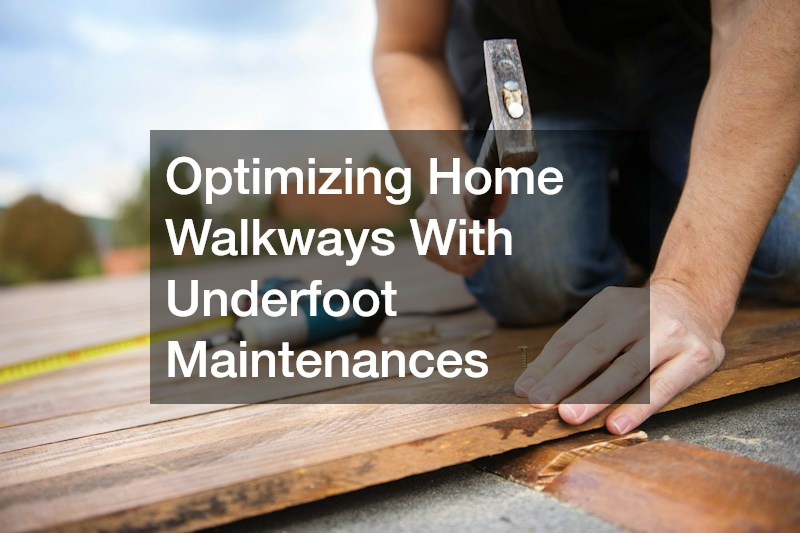
When we think about home improvement, our eyes naturally drift upward. We inspect the integrity of our roofs, the freshness of our exterior paint, and the cleanliness of our windows. However, a critical element of home safety, curb appeal, and structural integrity lies beneath our feet. The pathways and steps leading to your home endure the constant friction of foot traffic, vehicle weight, and weather changes. Over time, this wear transforms welcoming walkways into safety hazards and aesthetic liabilities. Addressing these issues requires a proactive process of inspecting and repairing paths. By addressing minor wear before it escalates, you can prevent injuries and preserve property value. Consider identifying and repairing structural damage, weatherproofing paths, managing organic growth, and securing transition zones where outdoor paths meet your home.
Level Uneven Slabs to Prevent Injuries
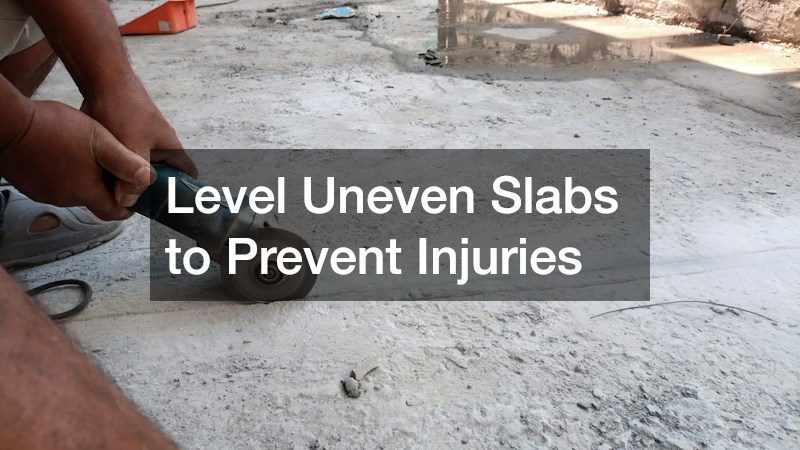
When hardscape sections sink, they create harsh lips and ledges that catch the toes of unsuspecting pedestrians. Before you assume that the entire pathway needs to be demolished, look into alternative restoration methods.
- Investigate polyurethane foam leveling: Rather than ripping out the existing slab, professionals can drill small holes into the sunken section and inject a high-density polyurethane foam. This expanding foam fills subterranean voids and gently lifts the slab back to its original position.
- Consider traditional mudjacking: This is an older but effective technique where a slurry of cement, soil, and water is pumped beneath the pathway. Utilizing reputable concrete repair services for this task ensures that the mixture is properly formulated to support the heavy weight of the slab without future settling.
- Grade the surrounding soil: Once the path is leveled, it is imperative to grade the adjacent soil away from the pathway. This prevents future water pooling from washing away the newly stabilized base material.
Fill Deep Fissures Before Winter Freezes
Cracks are the early warning signs of total pathway failure. In regions that experience harsh winters, the freeze-thaw cycle is the enemy of outdoor surfaces. Water from rain or melting snow seeps into microscopic fissures. When the temperature plummets, that trapped water freezes and expands by roughly nine percent, exerting massive hydraulic pressure that shatters the surrounding material from the inside out.
- Clean and prep the fissures: Before any patching can occur, the crack must be entirely free of loose debris, weeds, and moisture. A high-powered wire brush and a commercial air compressor are usually required to prepare the fissure for binding.
- Utilize hot-pour crack fillers: For blacktop paths or the vital connections where your driveway meets your front walkway, cold-patch products from hardware stores offer only a temporary bandage. Consulting experienced asphalt contractors for the application of commercial-grade, hot-pour rubberized crack fillers is highly recommended, as these materials remain flexible during temperature fluctuations and permanently stop water infiltration.
Apply Protective Barriers to Block Moisture and UV Rays
Ultraviolet rays from the sun cause severe oxidation, which turns rich, dark surfaces into a faded, brittle gray. Furthermore, this oxidation process strips away the surface oils, leaving the material highly porous and vulnerable to chemical spills, such as motor oil, fertilizer runoff, and harsh winter de-icing salts.
- Schedule periodic protective applications: To halt this chemical breakdown, a protective barrier must be applied to block UV rays and repel water. Scheduling a professional sealcoating service every two to three years is the most effective way to restore the protective layer of your path.
- Allow for proper curing time: When applying these barriers, the surface must be absolutely dry, and the ambient temperature should remain consistently warm. Furthermore, the pathway must be blocked off from foot and vehicle traffic for at least 24 to 48 hours to allow the barrier to cure and bond effectively to the porous surface beneath it.
- Avoid over-application: Applying these protective layers too frequently can result in a slick, dangerous surface that cracks and peels under pressure. Stick to the recommended maintenance timeline.
Resurface Heavily Degraded Drive-to-Walkway Transitions
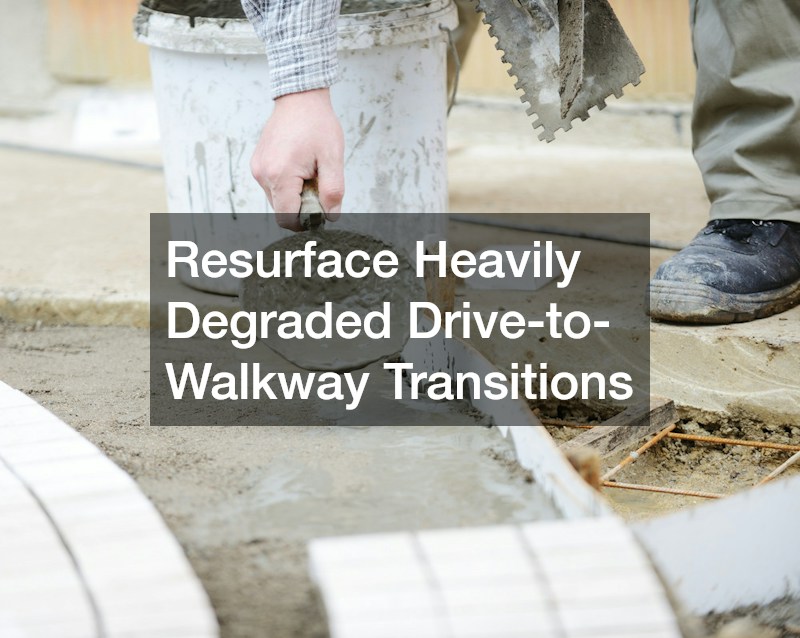
There comes a point in a pathway’s lifespan where patching and sealing are no longer viable options. If a surface features “alligator cracking”—a widespread web of interconnected fissures resembling reptile skin—the underlying base layer has likely failed entirely. This often happens where heavy vehicles transition from the driveway to a pedestrian walkway.
- Assess the structural integrity: If you find yourself repeatedly filling the same cracks season after season, the surface has reached the end of its functional life. Continuing to patch a crumbling foundation is a waste of time and resources.
- Milling and overlaying: For areas where patching is obsolete, hiring a reputable paving company to mill and overlay the surface is the best course of action. This process involves grinding down the damaged top layer and applying a fresh, structurally sound layer of material over the existing, stable base, ensuring a seamless and puddle-free grade.
- Establish proper water shedding: During the resurfacing process, ensure that the new path is crowned slightly in the center or pitched to one side at a minimum slope of two percent to guarantee rapid water runoff.
Add Textured Coatings to Smooth Concrete Surfaces
Garages and covered patios frequently feature smooth, troweled finishes that are incredibly easy to sweep but incredibly dangerous when wet. When rain, snow, or mud is tracked in from the main walkway, these smooth surfaces become as slick as ice.
- Upgrade the floor finish: To eliminate this slip hazard while maintaining an attractive aesthetic, transition zones require a specialized surface treatment. Installing a high-quality epoxy floor layered with specialized anti-slip aggregate flakes provides maximum traction for wet boots and tires.
- Benefit from chemical resistance: Beyond providing necessary grip, these resinous coatings are completely non-porous. This means they will not absorb road salts, automotive fluids, or muddy water tracked in from the outdoor paths, making the transition zone incredibly easy to mop and sanitize.
- Ensure proper surface profiling: The success of these coatings relies entirely on preparation. The underlying smooth surface must be mechanically ground or acid-etched to open the pores, allowing the coating to permanently bond and preventing future peeling or hot-tire pickup.
Reinforce Wooden Boardwalks and Entry Steps Against Rot
If the transition from your main walkway to your home involves wooden steps, a ramp, or a boardwalk, moisture management becomes a matter of structural survival. Wood that is constantly exposed to wet footwear and ground-level humidity is highly susceptible to dry rot, fungal decay, and termite infestation.
- Conduct structural inspections: Before addressing the surface of the wood, you must ensure the bones of the structure are safe. Regularly inspect the hidden stringers, joists, and ledger boards for soft, spongy spots by probing them with a screwdriver.
- Replace failing components: If you discover that the structural integrity of the transition path is compromised, do not simply paint over it. Bringing in a skilled deck contractor to safely dismantle the rotted sections and install pressure-treated structural supports is imperative to prevent a sudden collapse under heavy foot traffic.
- Apply textured traction paints: Once the structure is reinforced, address the slip hazard of wet wood. Sand away old, flaking stains and apply a heavy-duty, sand-infused exterior paint specifically designed for wooden treads. This creates a sandpaper-like finish that grips footwear even during heavy rainstorms.
Cut Back Overhanging Branches That Block Lighting or Drop Debris
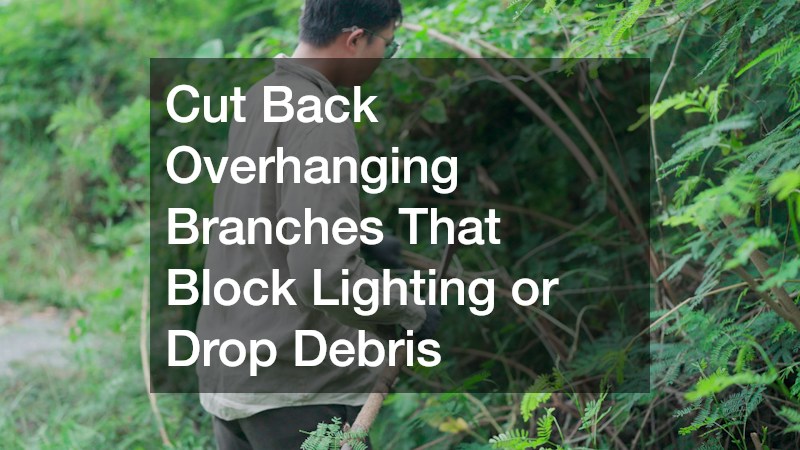
Dense tree canopies looming over your walkways create highly localized micro-climates. These shaded areas prevent the sun from drying the morning dew or residual rainwater off the pavement. This constant state of dampness is the perfect breeding ground for moss, mildew, and black algae, which turn concrete and brick into a treacherous, slippery sludge.
- Manage canopy density: The solution is to introduce more sunlight and air circulation to the path below. Utilizing professional tree trimming services to strategically thin out the overhead canopy and raise the lower branches allows ultraviolet rays and wind to naturally dry out the walkway, permanently stunting algae growth.
- Clear sightlines for safety: Low-hanging branches are a physical hazard for taller pedestrians and can entirely obscure expensive landscape lighting. Pruning these obstacles ensures that your pathways remain brightly illuminated and easily navigable after the sun goes down.
- Reduce acidic debris: Certain trees, such as pines and oaks, constantly drop acidic needles, leaves, and sap. If left to rot on the pathway, these organic materials can permanently stain the surface and eat away at the protective sealants. Regular pruning drastically reduces this debris load.
Eradicate Subterranean Root Systems That Buckle Pavement
While branches cause surface issues, the real threat to your walkway’s longevity lurks below the soil. As trees mature, their root systems expand aggressively in search of water and oxygen. When these thick, powerful roots encounter the compacted soil beneath your path, they will forcefully push their way under it. The resulting hydraulic pressure is strong enough to snap concrete slabs in half and turn flat paver stones into a hazardous, rolling landscape.
- Acknowledge the limits of surface cutting: Simply chopping the visible root where it meets the walkway edge will not solve the problem. The root will immediately branch out and continue to push upward beneath the slab.
- Address the source of the problem: If a large tree or old stump is actively destroying the pathway, complete removal is the only permanent solution. Thorough stump removal that includes deep root grinding is absolutely necessary to destroy the subterranean network before you spend money to relay or pour a new walkway section.
- Install physical root barriers: When laying new pathways near existing, healthy trees that you wish to keep, dig a narrow trench along the edge of the path and install a high-density plastic root barrier. This forces future root growth to dive deep beneath the walkway’s foundation rather than pushing up against the surface.
Install Edging and Porous Aggregates to Redirect Runoff
During a heavy rainstorm, water flows across the path of least resistance. If your flowerbeds or lawns sit higher than your walkway without a physical barrier, that runoff will wash thick mud and floating mulch directly across the pavement, creating a messy slip hazard that ruins the aesthetic of your entryway.
- Create physical boundaries: To halt this soil migration, establish a firm border between the softscape and the hardscape. Visiting a local landscaping supply yard to source rigid steel or aluminum edging will allow you to create a crisp, unyielding barrier that holds back topsoil and mulch.
- Construct drainage trenches: If standing water pools beside your walkway, you need to give that water somewhere to go. Dig a shallow trench along the edge of the path, line it with commercial-grade weed fabric, and fill it with decorative river rock or crushed gravel. This creates a highly porous French drain system that rapidly pulls water away from the walkway’s surface.
- Regulate sprinkler heads: Frequently, walkway puddles are caused by poorly aimed irrigation systems. Adjust your sprinkler heads so they water the lawn, not the pavement. Constant, localized watering of a walkway degrades the surface and encourages weed growth in the joints.
Deep-Clean Interior-to-Exterior Thresholds to Maintain Material Integrity

The concept of underfoot maintenance doesn’t magically stop the moment you turn the doorknob. The literal threshold where your exterior pathway meets your interior foyer or mudroom is a high-stress zone. The dirt, silica sand, and microscopic grit tracked in from the outdoor environment act like coarse sandpaper against your expensive interior finishes.
- Implement dirt-trapping systems: Place heavy-duty, weather-resistant bristle mats directly outside the door to scrape heavy debris from boots, and soft, absorbent mats immediately inside the door to capture moisture and fine dust.
- Restore the interior threshold: Over time, the grout lines in your foyer tile will turn black, and the finish on your entryway hardwood will become dull and scratched from the outdoor grit. Hiring a professional floor service to steam-clean the tile grout or buff and reseal the hardwood threshold is essential. This restorative maintenance ensures that the abrasive elements brought in from the outside do not permanently destroy the materials on the inside.
- Maintain strict cleaning schedules: Vacuum and mop these interior transition zones frequently. Allowing outdoor dirt to accumulate on the threshold guarantees that it will eventually be tracked deeper into the living spaces of your home, multiplying your maintenance chores.
Your home’s pathways are more than lines connecting the street to your front door; they are the foundation of your property’s exterior. Subjected to nature and daily activity, these surfaces require care to remain safe, functional, and visually appealing. The concept of underfoot maintenance focuses on proactive preservation. By diagnosing uneven trip hazards, weatherproofing surfaces against the sun and ice, managing roots and canopies, and improving drainage, you control your property’s landscape.
Investing in walkway maintenance may seem demanding, but the long-term benefits are undeniable. Proactive care prevents minor fissures from becoming structural failures, saving you from liability claims or complete replacements. This weekend, take a walk around your property. Inspect transitions, evaluate drainage, and check the condition of your concrete and wood. Identify your top maintenance priorities and start building a safer, more welcoming path to your front door.