Building and remodeling a home is one of the most significant investments you can make, both financially and emotionally. From selecting the right home builder and layout, to ensuring high-quality craftsmanship, every decision affects the long-term satisfaction and value of your home. With so many choices to make, having a clear strategy and understanding the critical steps in the process can save you time, money, and stress. This guide walks you through the key considerations for successfully planning and executing a custom home project, helping you navigate the complexities of design, construction, and finishing touches while ensuring your vision comes to life. Additionally, understanding how to evaluate contractors, select materials, and coordinate timelines is crucial for avoiding common pitfalls that can derail a project. By approaching each step with careful planning and informed decision-making, homeowners can create a space that not only meets their immediate needs but also supports future lifestyle changes. Whether it’s designing functional layouts, choosing durable finishes, or integrating energy-efficient solutions, this comprehensive guide equips you with the knowledge to make confident choices throughout your custom home journey.

Defining Your Remodeling Goals
Clarifying Your Needs and Wants
Identifying the primary purpose of your custom home project is fundamental. Begin by asking yourself why you want to build a new home. Are you looking to increase space, improve functionality, or enhance aesthetic appeal? List the features you dream of having and separate them into must-haves and nice-to-haves. Your must-haves may include extra bedrooms, open living areas, or specific energy-efficient designs, while your wants could encompass luxury finishes, unique design elements, or specialized rooms like home offices or gyms.
A clear understanding of your priorities ensures smoother communication with professionals and guides the selection of materials and design elements. Working closely with a custom home builder early in the process can help evaluate feasibility and provide practical solutions aligned with your vision. By defining your must-haves versus nice-to-haves, you give your builder a framework for making informed recommendations on layouts, finishes, and structural elements. This clarity also helps prevent costly changes or misunderstandings during construction, as every decision is rooted in your established goals. In addition, early collaboration allows the builder to identify potential challenges, such as site limitations, zoning regulations, or budget constraints, and propose alternatives before construction begins. It also provides an opportunity to incorporate energy-efficient features, smart-home technology, and functional design elements that may not have been initially considered. Furthermore, discussing your priorities upfront helps the team suggest materials that balance aesthetics, durability, and cost-effectiveness, from flooring and countertops to cabinetry and lighting. By aligning your vision with practical considerations, you ensure the final result reflects both your style and long-term functionality, creating a home that meets your family’s evolving needs while staying within budget and timeline expectations.
Tips for defining your needs and wants:
-
Make a comprehensive list of features, separating must-haves from optional additions.
-
Review your current home to identify pain points or underutilized spaces.
-
Gather inspiration from magazines, websites, and model homes to refine your aesthetic preferences.
Prioritizing Areas for Remodeling
Once you’ve outlined your goals, prioritize the areas of your home that require the most attention. High-traffic spaces like kitchens and bathrooms typically offer the highest return on investment, both in terms of usability and resale value. For larger projects, consider staging remodels to ensure budget and time management. Start by assessing which areas most impact your daily life and comfort—for example, a cramped kitchen that hinders cooking or a bathroom with outdated fixtures that no longer function efficiently. Evaluating these priorities can help you allocate funds where they will make the biggest difference. Next, consider how each space interacts with the rest of the home. Improving flow and functionality in one room may influence design decisions in adjacent areas. For example, relocating appliances in a kitchen might affect storage or lighting choices elsewhere. Additionally, staged remodeling can prevent overwhelming disruption; tackling one section at a time allows you to monitor quality, stay on budget, and make adjustments without delaying the entire project. By thoughtfully sequencing work, you provide your custom home builder with clear direction, helping them coordinate subcontractors, schedule deliveries, and optimize the construction timeline for efficiency and minimal stress.
Engaging a local remodeling company helps you target these priority areas effectively. Local contractors understand regional trends, practical design considerations, and regulatory requirements, allowing them to recommend the best approach to remodeling each space.
Tips for prioritizing remodeling areas:
-
Identify high-impact rooms that influence daily comfort and home value.
-
Allocate budget proportionally, addressing critical spaces first.
-
Stage renovations to reduce disruption to your household routine.
Establishing a Budget
Determining How Much You Can Afford
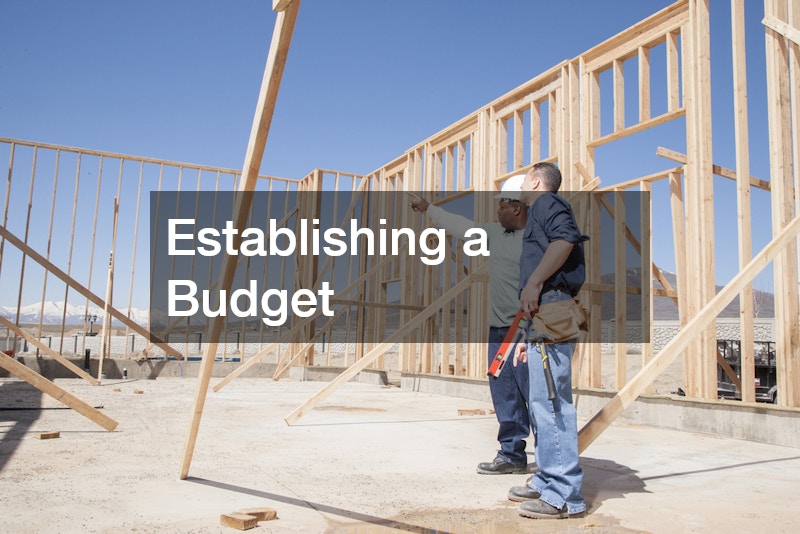
Budgeting is a crucial step for any custom home project. Begin by reviewing your current finances and determining how much you can reasonably allocate to construction and finishes. Include contingency funds for unexpected costs, which are common in construction projects. Avoid tapping into essential savings unless necessary.
A disciplined financial plan allows your custom home builder to recommend solutions within your budget, ensuring you achieve quality results without overspending.
Tips for budgeting effectively:
-
Include costs for labor, permits, and finishing materials.
-
Plan for high-quality investments in key areas like kitchens and bathrooms.
-
Keep a 10–15% contingency fund for unforeseen expenses.
Exploring Financing Options
If your budget is tight, consider financing options such as home equity loans, personal loans, or construction loans. Each has its own benefits and limitations, so research and consult with financial advisors before making a decision. Financing may also allow for premium upgrades like custom countertops or high-end finishes without compromising essential structural elements.
Working with a trusted building and remodeling service or builder can streamline financing discussions, as many established companies can provide guidance or preferred lender recommendations.
Financing tips:
-
Compare interest rates, repayment terms, and fees.
-
Determine which financing option best fits your project timeline and budget.
-
Coordinate financing discussions with your builder to ensure smooth fund disbursement during construction.
Designing the Layout and Aesthetic
Choosing the Right Style and Theme
The style and theme of your home influence not only its appearance but also its functionality and resale value. Whether you prefer modern minimalism, classic traditional, or a mix of styles, consistency throughout the home ensures a harmonious look.
A skilled custom home builder can help select materials, color palettes, and finishes that enhance your preferred style while considering long-term maintenance and durability.
Tips for choosing style and theme:
-
Create mood boards or digital renderings to visualize the home’s interior.
-
Consider exterior architecture to ensure cohesion with your chosen style.
-
Factor in personal lifestyle needs when selecting colors, textures, and finishes.
Creating a Functional Space
Functionality is as important as aesthetics. Efficient layouts, proper room sizing, and practical storage solutions enhance daily living. Consider accessibility, traffic flow, and future needs when designing spaces.
For example, a kitchen layout optimized for cooking and entertaining may include strategic countertop placement, storage solutions, and clear pathways. In bathrooms, working with a bathroom plumber ensures optimal fixture placement and water flow efficiency.
Tips for maximizing functionality:
-
Plan furniture placement and appliance locations early in the design process.
-
Incorporate ample storage solutions to minimize clutter.
-
Consider adaptability for aging in place or changing family needs.
Finding and Hiring Contractors
Researching and Vetting Contractors
Selecting the right contractors is critical for a successful build. Start by researching custom home builders and a reputable construction company in your area. Look for licensing, insurance, and verified reviews. Visiting completed homes and speaking with previous clients can offer valuable insights into their work quality, communication, and reliability.
Tips for vetting contractors:
-
Ask for references and photos of past projects.
-
Verify credentials and insurance coverage.
-
Conduct interviews to gauge compatibility and communication style.
Comparing Quotes and Proposals
Request detailed proposals from multiple contractors. Ensure each includes a breakdown of materials, labor, timelines, and allowances for upgrades like door installations. Comparing proposals helps identify cost discrepancies and ensures fair pricing.
Your local remodeling construction company can help interpret complex proposals, highlighting hidden costs or unrealistic timelines.
Tips for comparing quotes:
-
Evaluate scope of work and materials in addition to cost.
-
Confirm timelines and payment schedules.
-
Look for transparent communication and clear documentation.
Managing the Construction Timeline

Setting a Realistic Timeline
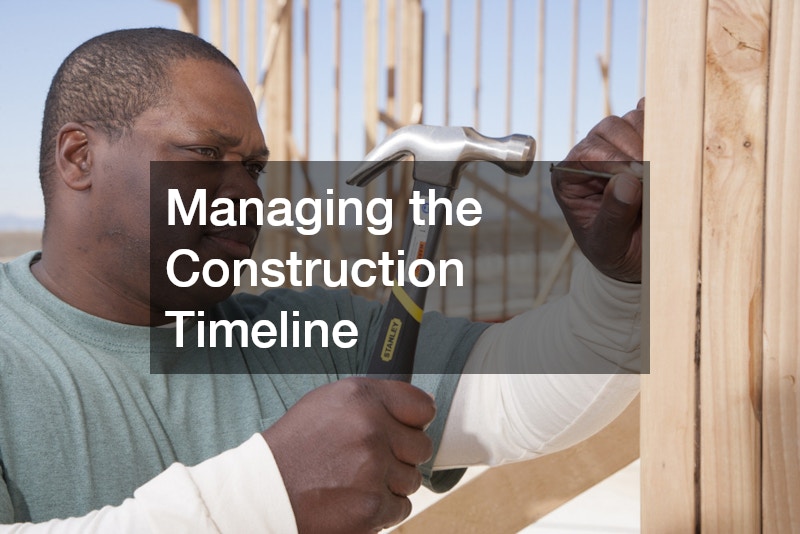
Construction timelines can be affected by factors such as material availability, subcontractor schedules, and seasonal weather conditions. Planning realistic schedules helps minimize stress and disruptions.
A local remodeling company is familiar with regional supply chains and contractor schedules, ensuring efficient project flow.
Timeline tips:
-
Build buffer periods for potential delays.
-
Align milestones with subcontractor availability.
-
Maintain flexibility for design adjustments without derailing progress.
Scheduling Milestones and Deadlines
Breaking the project into clear phases with specific deadlines ensures accountability and keeps construction on track. Milestones may include foundation completion, framing, roofing, and interior finishing.
Your custom home builder can coordinate these phases with all subcontractors to reduce bottlenecks and maximize efficiency.
Milestone tips:
-
Document all deadlines and responsibilities.
-
Monitor progress regularly and adjust as needed.
-
Use project management software for real-time updates.
Organizing Work Phases and Sequences
Proper sequencing avoids rework and ensures foundational tasks are completed before finishing touches. For instance, plumbing and electrical work should precede wall finishes, painting, and bathroom remodeling.
A knowledgeable local remodeling company can manage these sequences, ensuring efficiency and quality.
Sequencing tips:
-
Create a detailed construction schedule.
-
Coordinate subcontractors to minimize downtime.
-
Communicate changes promptly to all involved parties.
Ensuring Quality Control and Safety
Inspecting Work Regularly
Regular inspections safeguard against errors and ensure adherence to plans. Key areas include framing, roofing, plumbing, and electrical systems.
Your local roofing company and other specialized trades should be included in inspections to guarantee durability and compliance with local building codes.
Inspection tips:
-
Schedule inspections at critical project milestones.
-
Document any issues and track resolutions.
-
Engage third-party inspectors if needed for added assurance.
Addressing Quality Issues Promptly
Timely resolution of problems prevents escalation and delays. Open communication between homeowners, custom home builders, and subcontractors ensures that quality issues are corrected quickly.
Tips for handling issues:
-
Maintain a log of all concerns and corrective actions.
-
Encourage transparency from all parties.
-
Schedule re-inspections to confirm fixes.
Enhancing Home Exteriors and Outdoor Spaces
Planning Door Installations and Entryways
High-quality door installations improve security, energy efficiency, and curb appeal. Selecting durable materials and proper placement contributes to long-term functionality and aesthetics.
Door tips:
-
Choose doors that complement your home’s architectural style.
-
Consider energy-efficient and weather-resistant materials.
-
Ensure professional installation for safety and longevity.
Designing Pools and Outdoor Amenities
Outdoor living spaces enhance lifestyle and property value. Collaborating with custom pool builders ensures pools are functional, safe, and aesthetically aligned with your home.
Outdoor tips:
-
Plan pool location considering sunlight, privacy, and accessibility.
-
Integrate decks, landscaping, and lighting for a cohesive look.
-
Ensure proper safety measures, including fencing and anti-slip surfaces.
Selecting Roofing and Exterior Materials
Working with a local roofing company helps choose materials suitable for local weather, ensuring durability and low maintenance. Exterior materials, finishes, and colors affect both aesthetics and long-term home performance.
Exterior tips:
-
Use materials tested for local climate conditions.
-
Consider maintenance requirements and lifespan.
-
Coordinate roofing and siding colors for visual harmony.
Post-Construction Maintenance and Upkeep
Maintaining Interiors and Surfaces
Routine maintenance extends the life of your home and preserves value. This includes cleaning and sealing countertops, inspecting plumbing systems, and monitoring structural elements.
Maintenance tips:
-
Follow manufacturer recommendations for surfaces and appliances.
-
Schedule periodic inspections for roofing and plumbing systems.
-
Keep detailed records of service and repairs.
Securing Warranties and Services
Ensure all warranties and service agreements from your custom home builder and contractors are documented. This protects your investment and simplifies addressing issues in the future.
Warranty tips:
-
Understand coverage terms for materials and labor.
-
Keep a folder with all receipts, contracts, and warranties.
-
Plan regular check-ups with local contractors to address small issues early.
Planning for Future Enhancements
A well-designed home accommodates growth and changes in family needs. Work with your builder and remodeling company to identify flexible spaces and future upgrade opportunities.
Future-proofing tips:
-
Design multipurpose rooms.
-
Plan infrastructure for potential technology upgrades.
-
Include space for additional bathrooms, kitchens, or outdoor amenities.
Choosing the right custom home builder is essential for bringing your dream home to life. By carefully defining your goals, setting a realistic budget, vetting contractors, and monitoring construction, homeowners can achieve a home that blends functionality, style, and long-term value. Thoughtful planning, attention to detail, and collaboration with trusted professionals ensure your investment is protected while creating a space tailored to your lifestyle. Approach each step methodically, communicate effectively with your team, and enjoy the process of transforming your vision into a tangible, lasting home.