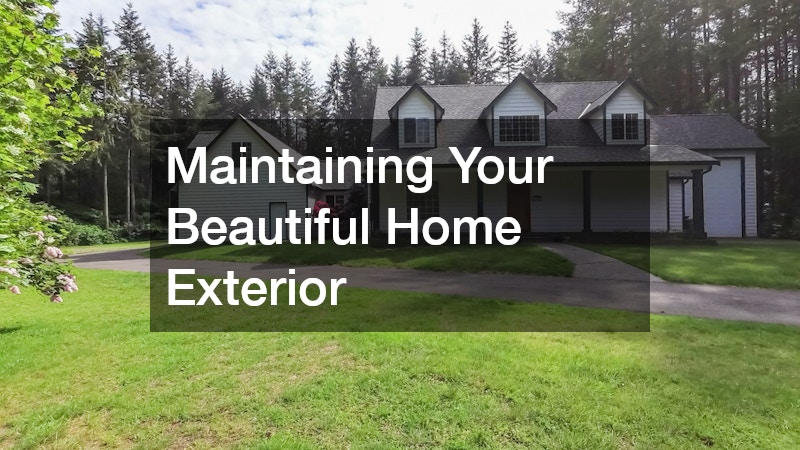
Your home is likely the largest financial investment you’ll make. While many homeowners focus on interior updates, the exterior often receives less attention, which can be costly. Your home’s exterior is its first defense against weather, soil shifts, and pollutants. When compromised, moisture and pests can cause significant damage. Beyond structural concerns, the exterior affects curb appeal and market value. To maintain a resilient facade, adopt a preventative strategy.
Keep Your Walls Weatherproof and Insulated
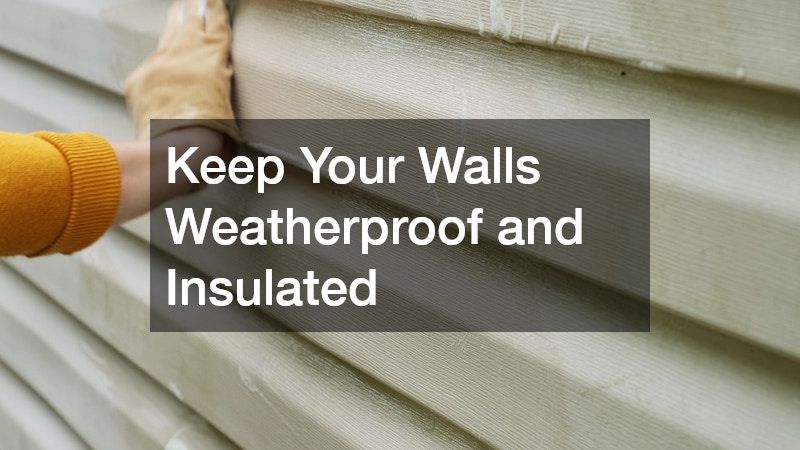
As a homeowner, you should conduct a thorough walk-around inspection of your exterior walls at least twice a year, ideally in the spring and autumn. Look closely for structural warning signs such as:
- Hairline cracks or buckling panels on your exterior cladding.
- Gaps, cracking, or missing chunks of caulking around window frames, door trim, and utility entry points.
- Popped nails, warped boards, or areas where the wall material feels soft or spongy to the touch.
Pay close attention to the ground-level clearance. Ensure that your exterior walls do not come into direct contact with soil or mulch, which can draw moisture upward into the wall cavity. If you notice localized gaps or cracking in your caulking, scrape out the old material entirely using a putty knife, clean the area with rubbing alcohol, and apply a premium, exterior-grade silicone or polyurethane caulk. However, if you discover extensive warping, wavy walls, or systemic rot across large sections of your home, simple DIY fixes will not suffice. When the integrity of your exterior wrap fails on a broad scale, scheduling an assessment with professional siding services is the best way to restore your home’s thermal barrier and water mitigation infrastructure before permanent internal framing damage occurs.
Prevent Water Damage from the Top Down
Your roof bear the brunt of severe weather, making it the most vulnerable component of your home’s exterior envelope. A single unaddressed leak can quietly destroy attic insulation, ruin ceilings, and rot structural roof decking. To prevent top-down water damage, grab a pair of binoculars and inspect your roof from the ground, looking for:
- Shingles that are curling, buckling, cracking, or entirely missing.
- Heavy accumulations of dark granules in your gutters, which indicates that your shingles have lost their protective UV coating and are reaching the end of their lifespan.
- Damaged, rusted, or lifting metal flashing around chimneys, skylights, and roof valleys.
Additionally, keep your gutters completely clear of leaves, twigs, and pine needles. Clogged gutters force rainwater to back up under the lower edge of your roofline, which rots the fascia boards and creates devastating winter ice dams. If your ground-level inspection reveals widespread shingle degradation or active attic leaks, it is imperative to act quickly. Partnering with reputable roofing services for a comprehensive inspection and targeted structural repairs can extend the functional lifespan of your roof by a decade, saving you from a premature and highly expensive total replacement.
Manage Your Tree Canopy to Protect Your Roof and Foundations
Large, mature trees add immense character and shade to your property, but they pose silent risks if left unmonitored. Overhanging branches act as direct superhighways for wildlife to access your roof and can cause severe physical damage during high-wind events. Implement the following tree management protocols:
- Maintain a minimum clearance of ten feet between any tree branches and your roofline or exterior walls.
- Regularly look up into the canopy to identify dead, diseased, or hollow limbs that could snap unexpectedly.
- Monitor the ground surrounding the base of your trees for signs of root heave, which can crack sidewalks, disrupt driveway stability, and even penetrate subterranean plumbing lines.
When thick, heavy limbs hang directly over your home, attempting to cut them down yourself with a basic chainsaw is incredibly dangerous for both you and your property. Utilizing a qualified tree trimming service ensures that hazardous growth is pruned back safely using professional rigging, protecting your roof from sudden impact damage while preserving the long-term health and structural balance of the tree itself.
Keep Structural Pests from Breeding Near Your Foundation
A pristine home exterior requires a strict barrier against wood-destroying organisms and structural pests. Insects and rodents are constantly searching for entry points, and common landscaping mistakes often invite them right up to your doorstep. To create an inhospitable environment for pests, adopt these habits:
- Establish a clean buffer zone by keeping all organic mulch, firewood stacks, and dense shrubbery at least eighteen inches away from your concrete foundation.
- Ensure that lawn sprinklers are positioned to water your plants, not to continuously blast the side of your house or saturate the soil directly against the foundation walls.
- Regularly check your foundation for mud tubes, which indicate active subterranean termite activity, and inspect wood trim for tiny holes accompanied by fine sawdust.
Moist mulch and overgrown foliage right against the home provide the perfect dark, damp breeding ground for colonies. If an inspection reveals an active infestation of termites, carpenter ants, or mice within your perimeter walls, over-the-counter retail sprays rarely solve the root problem. Enlisting specialized pest exterminators allows you to establish a targeted, commercial-grade chemical or baiting barrier around your property, eliminating the threat at the source and safeguarding your home’s internal wood framing from catastrophic destruction.
Eradicate Cracks and Drainage Issues on Your Primary Paths
Concrete and asphalt walkways are subjected to immense stress from shifting soils, heavy loads, and freeze-thaw cycles. When water seeps into minor surface cracks and freezes, it expands, fracturing the material and creating uneven trip hazards. To protect your footpaths, keep these principles in mind:
- Regularly sweep away dirt, wet leaves, and chemical spills, as decomposing organic matter can stain and slowly erode hardscape sealants.
- Inspect walkways for pooling water after a heavy rain storm, which indicates poor grading or a collapsing subsurface base.
- Treat minor concrete cracks immediately with a flexible, exterior-grade polyurethane concrete sealant to lock out moisture.
If your primary driveway has developed extensive, interconnected webbing cracks, deep potholes, or major sunken sections, superficial topical patches will no longer suffice. When the underlying gravel base layers collapse entirely, investing in professional driveway paving is the only way to permanently correct the subgrade, restore proper water drainage away from your home, and provide a flawless, smooth entry surface that lasts for decades.
Maintain Subsurface Lifespans via Regular Sealing
For properties with blacktop surfaces, preventative maintenance must be performed systematically to combat the degrading effects of ultraviolet radiation and automotive fluids. Gasoline and motor oil act as chemical solvents on unsealed blacktop, rapidly breaking down the binders and turning solid surfaces into loose gravel. To extend the life of these areas, implement the following steps:
- Thoroughly scrub away oil stains as soon as they appear using a heavy-duty degreaser and a stiff-bristled brush.
- Plan to apply a fresh layer of protective sealer every two to three years, depending on your local climate and traffic volume.
- Ensure that the edges of your driveways are well-supported by soil or landscaping blocks to prevent the perimeter from crumbling under heavy vehicle tires.
When your blacktop surface requires extensive edge repairs, deep structural patching, or hot-pour rubberized crack filling before a major sealcoating application, DIY liquid products from the home improvement store often fall short. Engaging specialized asphalt services gives you access to commercial-grade hot-mix materials and professional compaction equipment, guaranteeing that your hardscaping remains resilient against heavy winter plowing and intense summer heat waves.
Secure Your Boundaries Against Rot, Rust, and Sagging
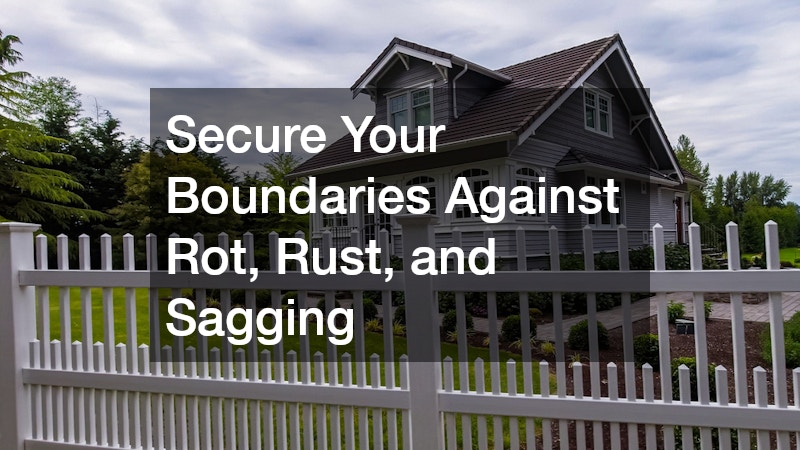
Fences are highly exposed to the elements on both sides, making them susceptible to rapid weathering. A sagging or stained fence instantly drags down the aesthetic value of an otherwise immaculate property. Keep your perimeter looking pristine by executing these tasks:
- Walk your entire property line annually to check for loose posts, leaning sections, or boards that have split due to moisture exposure.
- Clear away soil, heavy weeds, and low-lying vines from the bottom of your fence line to prevent constant moisture transfer and wood rot.
- Clean and re-stain wood fences every three years, or use a specialized rust-inhibitor on metal boundary components.
When storms or fallen branches break specific sections of your boundary, you do not necessarily need to budget for an entirely new perimeter installation. By locating an industrial supplier of high-quality fence supplies, you can purchase matching heavy-duty posts, rails, or pickets to perform precise, localized structural repairs that blend seamlessly with your existing structure, saving you significant material and labor costs.
Keep Overhead Moving Parts Smooth and Balanced
Your garage door is likely the largest and heaviest moving mechanical component on your entire estate. Beyond its aesthetic contribution to your facade, it is a critical security portal and an insulation weak point if poorly maintained. To ensure safe, quiet, and reliable operation, perform the following preventative checks every six months:
- Visual Check: Inspect the heavy lift cables, rollers, and track brackets for fraying, bending, or excessive wear.
- Lubrication: Apply a high-quality silicone or lithium spray lubricant to all moving hinges, rollers, and springs; avoid using WD-40, which attracts dirt and clogs the mechanisms.
- Weatherstripping: Examine the rubber seal along the bottom of the door, replacing it immediately if it is cracked or torn to keep out drafts, driving rain, and rodents.
While basic cleaning and lubrication are excellent homeowner tasks, you must always exercise extreme caution around the overhead torsion springs. These components are wound under immense, lethal levels of mechanical tension. If your door becomes unbalanced, makes severe grinding noises, or fails to open evenly, avoid touching the hardware yourself. Contacting an expert technician for garage door repair is essential to safely adjust, re-balance, or replace high-tension components without risking severe personal injury or structural damage to your garage framing.
Blast Away Accumulated Grime and Mildew Safely
Over the course of a year, your home collects a thick layer of airborne pollutants, pollen, bird droppings, and green mold spores. This buildup doesn’t just look unappealing; it slowly eats away at painted finishes and wood stains. A comprehensive exterior wash can instantly strip away years of grime, but you must use the correct techniques to avoid damaging delicate surfaces:
- Use a low-pressure setting, often called a soft wash, combined with a specialized mildew-killing detergent when cleaning wood decks, vinyl siding, and painted trim.
- Reserve high-pressure streams exclusively for dense, unpainted surfaces like concrete patios, brick walkways, and stone retaining walls.
- Always spray downward at a controlled angle; never blast water directly upward under siding panels, as this forces moisture straight into your interior wall insulation.
Investing hundreds of dollars in buying a commercial-grade cleaning machine that will sit in your shed for 360 days a year is rarely a smart financial move. Instead, arranging for a weekend pressure washer rental from a local equipment yard gives you access to top-tier, high-efficiency machinery and a variety of specialized nozzle tips, allowing you to thoroughly sanitize your property’s exterior surfaces over a single weekend for a fraction of the cost.
Protect Your Backyard Metalwork from Weathering and Rust
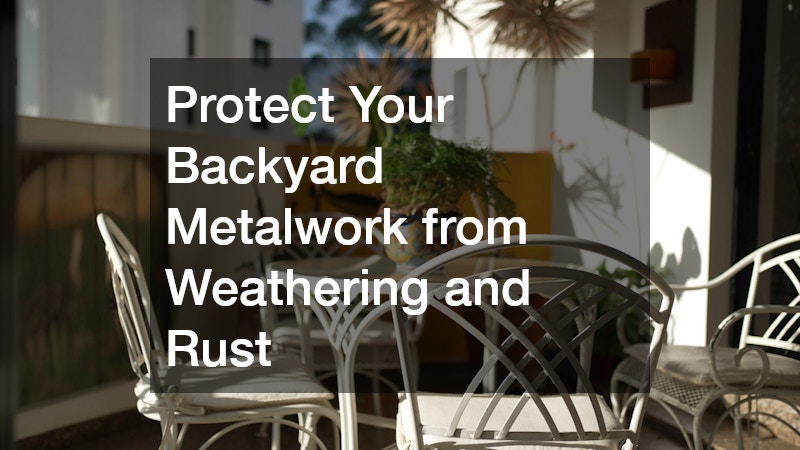
Your outdoor living spaces are extensions of your home’s interior style. Wrought iron railings, aluminum light fixtures, and high-end metal outdoor dining sets contribute significantly to your overall curb appeal. However, standard exterior paint finishes on metal elements tend to chip, peel, and rust within a couple of seasons when exposed to constant moisture and UV rays. To maximize the longevity of your outdoor accents, consider these best practices:
- Regularly wipe down metal outdoor elements to remove salt residue, dust, and chlorine from nearby pools.
- Inspect metal frames for small chips in the paint, sanding down bare spots and applying a rust-inhibiting primer immediately.
- Store fragile outdoor items in a covered shed or use custom, breathable canvas covers during severe winter months.
For premium metal items, standard spray-paint cans cannot provide a long-lasting barrier against heavy moisture. Sending your weathered iron gates, metal chairs, and architectural fixtures out for professional patio furniture powder coating is an exceptional way to revitalize these assets. This industrial process applies a dry protective polymer powder that is thermally baked onto the metal, creating an incredibly thick, resilient, and flawless finish that resists chipping, scratching, and fading far better than any liquid paint ever could.
Maintaining a beautiful, resilient home exterior requires a proactive approach, treating your property as an interconnected system of structural defenses, natural balances, and visual elements. By breaking down exterior care into seasonal tasks, you can protect your structural envelope, keep destructive elements at bay, and preserve your financial equity. Walk around your property with a notepad and inspect your walls, walkways, boundary lines, and outdoor areas. Building a maintenance routine based on your property’s specific needs will ensure your home remains a safe, beautiful anchor in your neighborhood for years to come.